
News
Why can only aluminum alloy be anodized?
Time:2025.10.07 Source: Yuhuan Huahua Metal Surface Treatment Co., Ltd Clicks:
Anodizing is an electrolytic process used to generate thick oxide coatings, typically on aluminum and its alloys. The thickness of the oxide layer is typically 5 to 30 µ m, used to improve surface wear and corrosion resistance, or as a decorative layer. During the electrolysis process, the components to be treated are made into anodes in dilute acid solution, and oxidation occurs on the surface of the components, resulting in the formation of an adhesive oxide film that is highly adhered to the underlying metal substrate. Most anodizing is carried out on aluminum and its alloys, while other materials that can be anodized include magnesium and titanium alloys.
Before anodizing, it is necessary to pre treat the surface of the aluminum alloy, which will affect the final appearance and performance of the anodized coating. The types of pretreatment can range from mechanical processes (such as grinding and polishing) to chemical treatments (such as chemical brightening or electrolytic polishing). In addition, any machining, drilling, or welding of the components should be completed before anodizing.
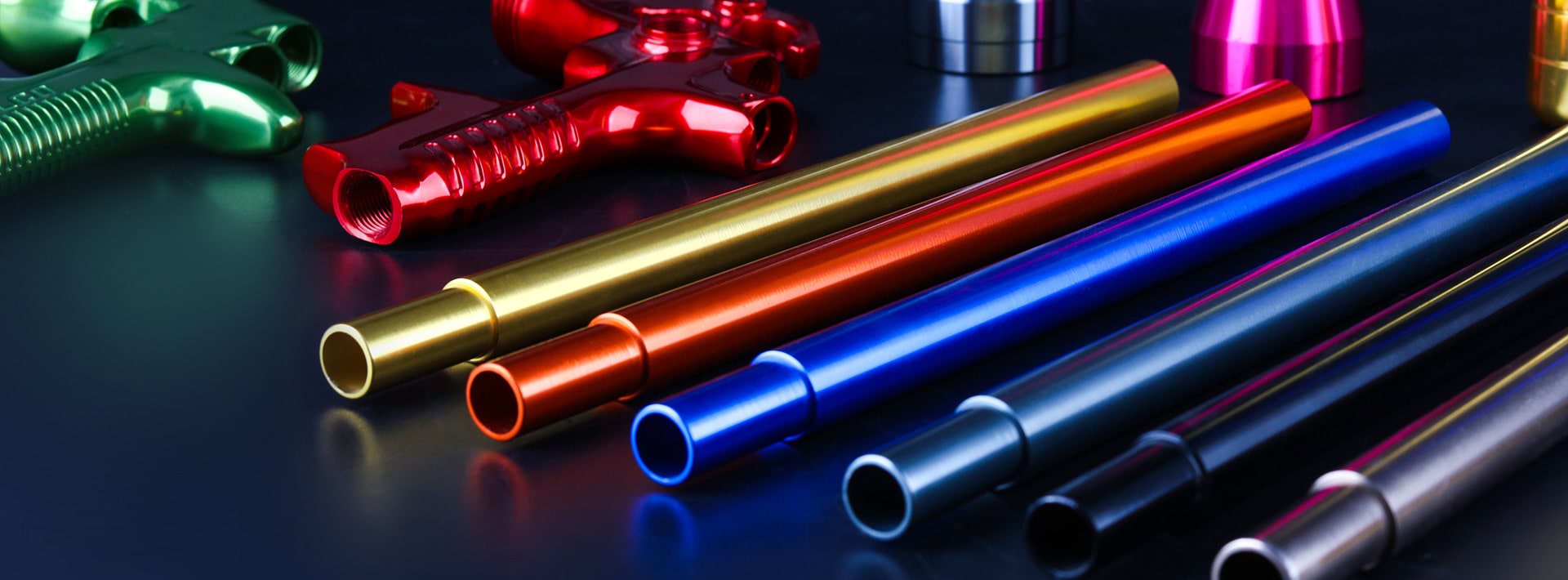
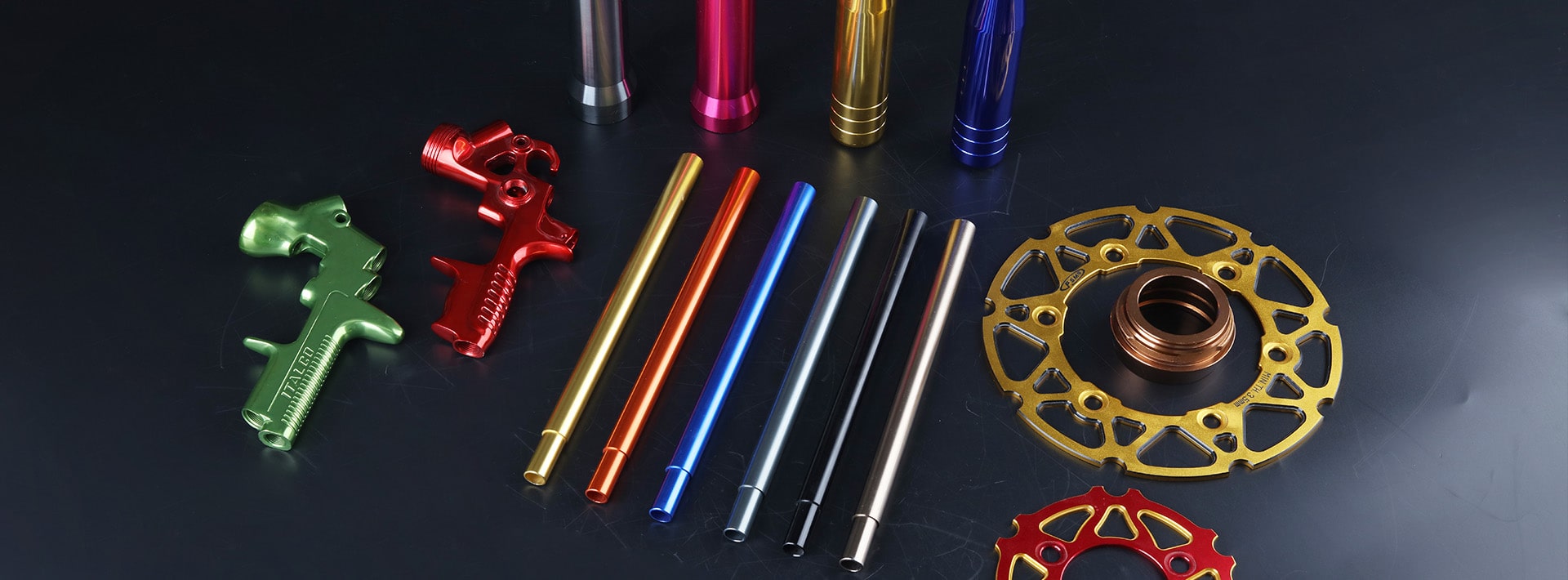
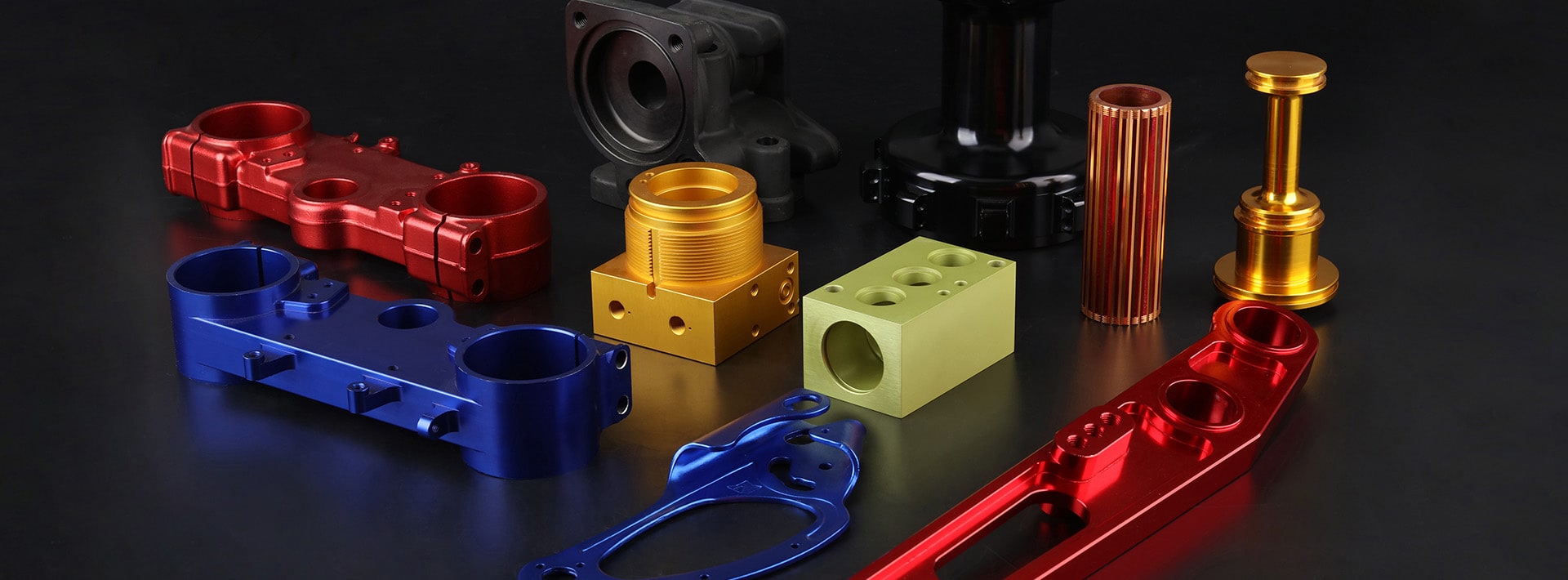
The anodizing process typically uses three types of electrolyte solutions. The first type is a 10-15% sulfuric acid solution at 25 ° C, with a coating formation rate of approximately 25m/hr for this electrolyte. The second electrolyte solution is a mixture of sulfuric acid and oxalic acid at 30 ¡æ. This provides a higher coating formation rate of approximately 30m/hr. The third electrolyte is 10% chromic acid, with a temperature of 38-42 ° C and a film formation rate of about 15m/hr. These traditional anodic oxidation coatings are porous and transparent, and are usually used together with dyes for decorative coatings.
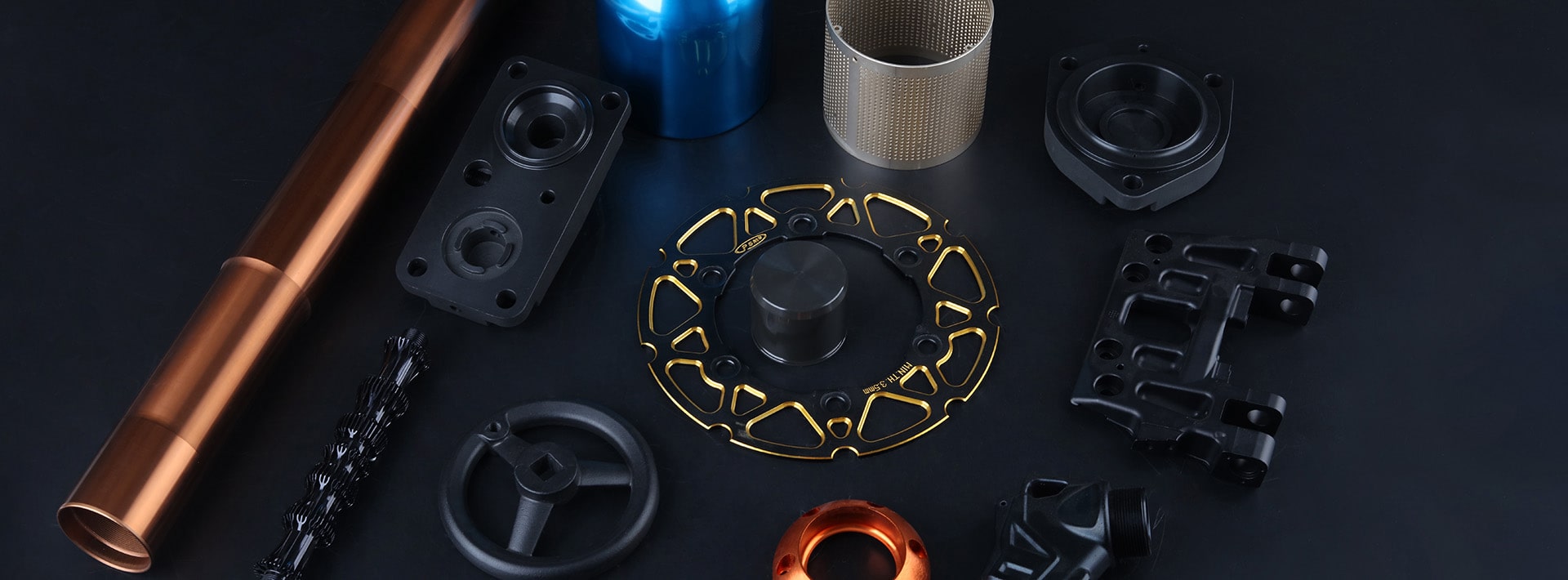
Hard anodizing "refers to the preparation of thicker oxide coatings, approximately 25-100 µ m, with higher hardness, typically 500-900HV, for providing wear-resistant surfaces to aluminum alloys. This is achieved by using sulfuric acid/oxalic acid mixtures at lower temperatures of approximately 0-10 ° C and higher concentrations. The resulting coating color is gray to black and is non porous. Not all aluminum alloys can obtain hard anodized coatings through anodizing. The 5xxx and 6xxx series alloys have a good reaction to hard anodizing, while the 2xxx alloy and other alloys, including casting alloys with high copper and silicon content, do not. For alloys with high silicon and copper content, the anodized layer is often porous and has low hardness.
Hard anodizing is usually the lowest cost wear-resistant coating, which can be applied to aluminum alloys and is particularly suitable for preventing low stress wear. Therefore, hard anodized coatings are commonly used with aluminum components in sliding systems. These coatings can also be used to protect aluminum components from fluid assisted wear, mud erosion, solid particle erosion, and liquid erosion. Anodized coatings can also resist many chemicals, except for alkali. Due to the brittleness of the coating, anodizing is not suitable for impact wear applications.
 Online Service
 QQ Service
 Wechat